
Clothes are one of the most integral and important parts of our lives. But buying good quality apparels are equally responsible as the purchase decisions itself and maintaining them carefully is also important.
Shopping for clothes has become easier than ever, whether you visit fashion stores or browse online from the comfort of your home. You can explore thousands of options, including shirts, dresses, jeans, ethnic wear, sportswear, casual outfits, and formal clothing. However, before placing an online order, check the fabric quality, size chart, customer reviews, product details, and return policy to make an informed purchase.
Clothes shopping and maintenance apparels can also be a challenging factor and is a very important aspect.If your wish is to find brand new Clothes shopping and maintenance online or maintain your present outfits more effectively, this guide is definitely going to serve you.
Where to shop for good quality clothes online?
Online shopping has wholly changed clothing purchases to the extent that you will need to review various brands and fashion retailers. You might find the ideal set of clothes to buy, both from big brand online stores when you have a clear idea, or with smaller sites devoted to a particular kind of clothing (e.g. Formal wear, bohemian clothes, ethnic, denim etc).
1. How to choose the quality of the apparel?
Apart from not selecting items based on pictures which cannot be anything till, actually know the qualities.
Customer reviews help you understand a garment’s quality, fit, and other features that product descriptions may not explain clearly. Always check customer feedback and photos to see how the clothing looks in real life and decide whether it matches your preferences before purchasing.
2. Read customer reviews
Customer reviews can provide useful information that may not be obvious from product photographs. Look for reviews discussing fitting, fabric quality, stitching, color, comfort, and durability.

Photos uploaded by customers can be particularly helpful because they often show how clothes look outside professional studio photography.
3. See the size chart
Poor fit is one of the biggest challenges when shopping for clothes online because sizing varies between brands. Before placing an order, check the seller’s size chart and compare it with your body measurements and clothes that already fit you well. This is especially important when buying fitted items such as jeans, trousers, shirts, dresses, and jackets.

4. Know the return policy
Even after checking measurements, online clothes may not fit as expected. Always review the seller’s return and exchange policy before purchasing to avoid unnecessary hassle.
5. Look at the washing instructions
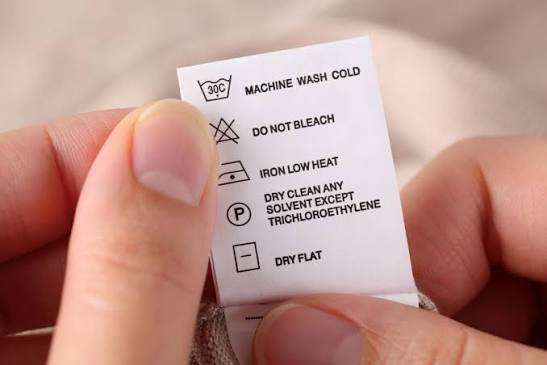
Read the washing instructions for the product before ordering. If it seems inconvenient for you to dry clean it; only machine wash; only hand wash, use cold water, or treat it specially; you might wish to consider the alternative fabrics available, particularly easy to wash and dry material.
6. Price comparing
Highest price merchandise doesn’t always equate the highest standard possible. Moreover, it doesn’t ensure the best quality product either; the same goes for pricing on many cheap items. It makes sense to get the best deal from quality purchases.
How to distinguish quality clothing
you don’t have to be an expert to distinguish good-quality clothes from poor ones. Begin with looking at the seams; even, close stitching usually denotes quality, but loose threads or an uneven seam may show an obviously inferior make. Check out zippers and buttons – these must not feel wobbly or poorly secured.
A garment’s ability to retain its shape often reflects its quality and durability. Remember, quality doesn’t always mean luxury; an affordable, well-made cotton T-shirt can last longer than an expensive garment made from delicate fabric.
Can I wash clothes with shampoo?
You can use shampoo to hand-wash certain garments occasionally, but it should not replace laundry detergent. Shampoo is formulated for hair and may contain additives that are unsuitable for some fabrics, while laundry detergent effectively removes sweat, dirt, and everyday stains.
Why some clothes may react to shampoo:
Shampoo’s contain cleaning agents to lift grease and grime. With some delicate garments a mild shampoo could be used to hand wash items of clothing when trying to clean them carefully:
If too much is used you run the risk of a load of suds and too much residue remaining which can make things unpleasant.
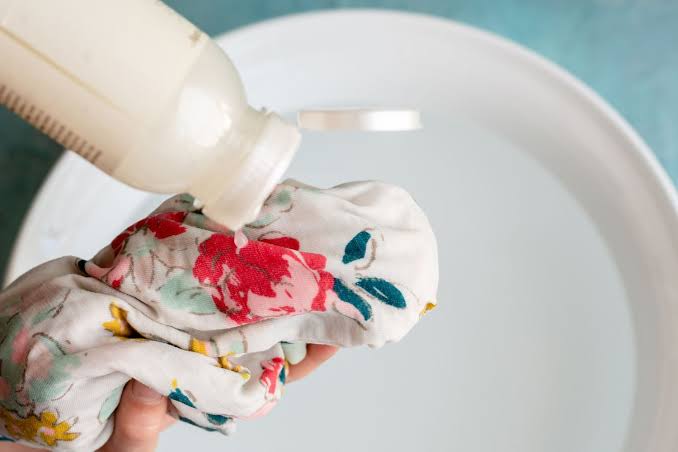
How to wash garments with shampoo:
To hand-wash delicate garments, fill a basin with cool or lukewarm water and add a few drops of mild detergent. Gently move the clothing to remove dirt and grease, then squeeze out excess water without twisting or wringing. Wrap the garment in a clean towel and press gently to absorb moisture. Finally, dry it according to the care label instructions.
Why You Should Avoid Washing Certain Garments with Shampoo:
Avoid using shampoo to wash heavily soiled clothes or remove stubborn stains, as laundry detergent works better for these tasks. Always follow the care instructions for delicate garments, such as suits, wool, silk, and embellished clothing, to prevent damage.
Look at care labels:
Clothing is issued with a small set of instructions. So always check your clothes care label.
Why correct clothes care important:
Extend the life of your clothes by avoiding high dryer temperatures, as excessive heat can cause fabrics to shrink and fade. Use cold water or the delicate wash cycle for everyday garments when appropriate. Always separate light and dark colors before washing and drying to prevent color transfer and keep your clothes looking fresh.
Ensure the correct level of washing powder is added; More will not automatically mean cleaner. If too much is left a lot remains,which needs further washing/rinsing to remove it
When clothes shrink in the dryer is it permanent?
Shrinking garments usually do not completely recover. For instance, wool and cotton may naturally change sizes due to some washing-and-drying processes; nonetheless, every condition relies upon fibers, its fabrication, drying temperature, humidity and method of production it originally has been treated for.
Why do clothes shrink in the dryer?
The biggest offender when it comes to shrinkage is heat. By nature, a dryer works by circulating warm or hot air to take moisture out of wet clothing. Depending on the fabric construction, certain fabrics will expand and contract when subjected to that heat, along with the tumble action of the dryer.
When washing synthetic fabrics like polyester, always check the care label for the recommended dryer temperature. Wool is especially sensitive to heat and can shrink easily, so handle wool garments carefully and follow the manufacturer’s drying instructions.
Is all shrinkage permanent?
As some people have observed, it is sometimes possible to get clothing that has already shrunk to return to its approximate former shape, perhaps by trying to pull and stretch it when it’s still a bit damp.
Other fabrics can have fibers contract in such a way that their size cannot ever be recuperated.
Another way to prevent some shrinking altogether is not to use higher temperatures. If they are not needed for stain removal purposes and nothing in the drying instructions of a label says to only use high temperatures or warm temperatures during tumble drying then avoid doing it.
A dryer set to low or no heat can prevent almost all shrinkage.
Purchasing items is one thing but maintaining them properly is a huge part of any clothing wearer’s repertoire when trying to keep his or her wardrobe alive. Also, use warm water to wash when recommended by the fabric. Keep from overdrying the fabric.
Place bulky, bulky and flat items that are prone to loss of form on a shelf instead of hanging them to prolong their lives further. Maintain the clothes in their respective places and make sure they are kept relatively clean throughout. If anything seems amiss the very first action you should do is make sure you get at that stain so it gets it off there and won’t be much harder to deal with down the road.
How to Make Your Clothes Last Longer
Buying good-quality clothes is only half the process. Taking care of them properly can help you get much more use from your wardrobe.
Follow the care label and use the appropriate washing cycle.
Avoid excessive heat whenever possible. Heat can contribute to fading, shrinking, and fabric damage.
Store clothes properly. Fold garments that may stretch or lose their shape when hung, and hang clothes that maintain their structure better on hangers.
Keep your wardrobe dry and clean. Moisture can encourage unpleasant odors and, in some situations, mold growth.
Treat stains as soon as possible. A fresh stain is often easier to deal with than one that has been allowed to set into the fabric.
Finally, don’t underestimate small repairs. A loose button, small tear, or damaged seam may be easy to fix when noticed early. Ignoring small problems can sometimes turn them into larger ones.
Final Thoughts
Clothes are more than just garments; they play an important role in your daily routine, reflect your personal style, provide comfort, and allow you to express yourself.
Whether you shop in an online setting where a product’s appearance may be its primary selling point to a bargain hunter; investigate beyond a pretty picture or a low price and consider the fabric, sizing chart, product reviews, return policy, and cleaning care.
In answer to “Can I wash clothes with shampoo“; use only a small amount of mild shampoo on very delicate hand wash only clothes as a last resort when a good laundry detergent is readily available and applicable as needed for handwashing a garment.
Although the question; “when clothes shrink in the dryer is it permanent?”; remains largely dependent on the type of clothing that has shrunk in addition to the level of damage; these garments can often rebound, but will return to a permanently smaller state. Use extreme high heat judiciously for your clothes to prevent their shrinking!