
You don’t have to spend a fortune on a professional work wardrobe! Whether you’re starting your career, re-entering the workforce, or simply want to make more from what you already own, a smart shopping strategy can help you assemble a look you love without breaking the bank.
The best way to build a work wardrobe on a small budget is to choose versatile clothing rather than filling your closet with too many items. Select garments that you can easily mix and match to create a variety of professional outfits without overspending.
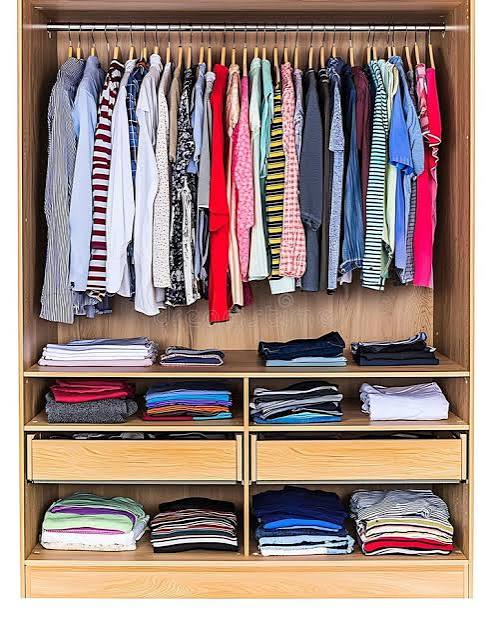
One common mistake we all face during the quest for a work wardrobe, especially with limited funds available, is buying whatever we find and like regardless of need, or picking up items just because they are priced incredibly low.
Look Closely in Your Own Closet
You likely already possess more items of clothing suitable for workwear than you realize. Simply unpack everything and sort through it:
- Garments you wear to work regularly
- Garments that can work with a few strategic additions or adaptations
Items you seldom use
- Damaged or uncomfortable clothes
- Seasonal items (such as summer clothes and formal winter attire)
Doing this step will help you to see what pieces need addition, alteration or replacement. If you have 5 pairs of work-appropriate slacks but only need two, don’t buy more. Instead, search for some nice shirts or tops you can wear with the existing trousers you already have. You should also check to see if your existing clothing is repairable-missing buttons and tiny stitches can be handled relatively easily.
Adopt a Muted Color Scheme
Perhaps the simplest approach to assembling a wardrobe for less, especially work attire, is selecting a number of versatile shades that will mix well together. You might find it particularly useful to select a core of neutral colors.
Choose neutral colors to create a cohesive work wardrobe on a small budget. Shades like black, white, beige, grey, and navy make it easier to mix and match clothes to create versatile, professional outfits.
Invest in Interchangeable Essentials
Value, over sheer quantity, is the priority when working on a restricted budget. Rather than going overboard on ten different, high-fashioned items that could quickly fall out of style, the savvy decision here is often to opt for some indispensable classics-items that give you variety with just a handful of pieces.
Some foundational items to build your work-appropriate wardrobe around are:
- 1 or 2 pairs of slacks,
- 1 or 2 appropriately fitting skirts (or other bottoms, depending on work and personal style),
- 3-5 shirts or blouses,
- 1-2 work appropriate dresses, one blazer,
- a cardigan or cardigan-like layer,
- a pair of comfortable heels,
- a professional bag, and some low-key accessories.
If your particular workplace has unique or specific style conventions (e.g.
One requires formal trousers or a particular uniform and some do not dress code), this list will have to be modified.
Select Clothing According to Workplace Policies
Avoid spending too much on formal clothing that does not suit your workplace. Build a professional wardrobe that makes you feel confident while staying within your budget. Before purchasing new clothes, consider your workplace dress code and environment, as appropriate attire can vary between offices and industries. Choose versatile, comfortable, and affordable pieces that match your professional needs.
When purchasing work outfits with less money you must always try to stick to what works and what fits your circumstances.
Shop sales smartly-always keeping need first
You may have to wait in lines and sometimes face a crowd while shopping at sales events but saving money can make it very much worthwhile.
Do you really need just 2 business shirts and a pair of shoes? Stick to this list while browsing sales racks and forget the attractive discount price tag and irrelevant sale items to avoid overspending.
Get thrift store and second-hand finds on board
One other money-saving opportunity can sometimes present as a treasure trove in a variety of second hand stores. Shirts, shoes, jackets, and accessories in respectable conditions can surprisingly often be picked up at a price far lower than even marked down retail prices in high street stores.
When shopping for secondhand clothing, inspect every item carefully before making a purchase. Check shoes and jackets for signs of excessive wear, and examine garment seams to ensure they remain strong and secure. By checking the condition of each item, you can avoid wasting money and find quality clothing at affordable prices.
Learn to Mix and Match
The #1 secret to creating a work wardrobe on a small budget is learning to get a variety of looks from a minimal collection.

If you have three pairs of pants and five tops for work, you can wear many different combos that bring out lots of wear from just eight items! Accessories such as a necklace or scarf, a bracelet, a cardigan or jacket could be used to vary every outfit.
Hence, rather than shopping to obtain plenty of high-maintenance outfits, always look for clothes that will make your favorite look more versatile. Take care of your clothing.
Take Care of Your Clothes
Check the care label and wash instructions and make sure you’re washing things correctly according to fabric type. You may want to hold back from using such items more than they have to in terms of washing.
An aired piece will sometimes still appear fresh and clean, while a small stain could also be handled via spot-cleaning.
Never place the garment in a dryer set to higher temperatures because this will also deteriorate fabric texture.
One simple repair can do lots to longevity and usability of your work attire.
How many garments are needed in one human?
There are no general answers on just how many garments every single person “needs” to wear. What may be “enough” varies with your occupation, your preferred style of dressing, the climate, where you live and the frequency with which you need laundry along with your wardrobe storage.
If you just think about whether wardrobe items will meet current needs; if you work a standard five-day corporate job and are setting out to create a minimal work wardrobe:
- 3-5 tops for office
- 2-4 pairs of pants
- 1-2 dresses/formal wears
- 1 blazer/formal jacket
- 1-2 knitwear/cardigans
- 2 pairs of suitable shoes
- 1 practical handbag
- accessories to mix and match A sample collection is simply to illustrate.
More garments may be necessary due to inability to utilize laundry with ease while others will favor a more minimalistic wardrobe that they will try to build incrementally. In short, an abundant array to traverse from day to day is sufficient without constantly feeling like you have absolutely nothing to wear.
Quantity means little in relation to quality
Being able to have quite an expansive collection doesn’t mean there exists the optimal manner for how clothes look; having fewer, quality clothes, especially comfortable and durable styles, are the most efficient ways.
It will surely pay more to buy five quality tops rather than fourteen different tops that nobody wears, though. In relation to the quantity: How many pieces can you use this article with?
Build Your Wardrobe Gradually
No individual must develop their work clothes in one shop. This is especially since acquiring everything simultaneously could lead to overspending. Incrementally build the wardrobe; get only the essential pieces and slowly add useful articles that are moderately prized at purchase times.
For the first shopping day with this kind of vision in view, you might have picked out two pairs of pants as well as three blouses that complement each other well and at later stages, a blazer, shoes that also work from case to case as well as an occasional professional wear.
The cost of this undertaking will have been spread out over a number of months.
How to Remove Stain From White Clothes
White garments do make one feel professional, but stains can become extremely prominent on them. Luckily, an understanding of the effective way to remove stains from white garments is able to rescue many clothes from being discarded totally. Quick action to deal with stains as timely as possible is essential.
Treat Different Stains Carefully
Different types of stains have different needs! A small washing spill will need some mild liquid based detergent whereas a sweat stain may just require diligent washing/spot treatments while difficult stains(ink, cosmetics, oils etc.) typically necessitate commercially available treatments of specific to garment that won’t cause it to lose fiber and dye; always test on an unobtrusive section first to confirm garment reaction before general application! Many of you may not comprehend it but sometimes a small amount of laundry liquid can create quite a mess!
Avoid Using Too Much Product
Wash directions are meant to be followed for detergent usage! Also do not mix cleansing compounds together and even avoid mixing them generally when not indicated as a compatible combination. Heat damage cannot usually be reversed if a stain is visible when it was present during drying cycles and cannot be removed with subsequent washing because heat would likely set them firmly into the material.
Do Not Immediately Apply High Heat
If after a wash you can still see an element of a stain, resist automatically plunging the item in a hot dryer: some stains are cemented into the fabric through the use of heat.
Check the item while it is still damp and identify if more stain removal is appropriate according to the care label instructions.
This small habit is a great way to save what might otherwise remain an obvious looking stain.
Create a Capsule-Inspired Busy Attire
You don’t need to use a fully rigid capsule wardrobe, but the basic concept behind them is brilliant if you are shopping on a budget.
A capsule inspired wardrobe is a relatively small collection of garments that wear well together.
Some examples;
Bottoms:
black tailored trousers, navy tailoring and beige slacks.
Tops:
white shirt, blue shirt, neutral coloured blouse, patterned top, and a favourite alternative colour.
Layering items:
a black tailoring jacket and a neutral cardigan.
Footwear:
comfortable tailoring and comfortable alternative.
You can then create several outfits from these pieces. The specific number is not that important, reducing excessive consumerism and making the item count really work.
Use Cost Per Wear Thinking
A smart budget buying technique involves cost-per-wear. A 4000 blazer worn 40 times has a cost-per-wear of 100.
A cheap,trendy top worn just twice may be 1500, and cost 750 per-wear.
Cheaper did not necessarily work out. I’m not implying it’s always cheaper to buy expensive items. Just be thinking about the frequency you are going to wear something.
Are Clothes Cheaper in Japan?
The most popular question from most travelers or consumers thinking of shopping is “Are clothes cheaper in Japan?” The truth is… Not necessarily.

Japan offers such a wide array of prices on clothing– from affordable everydaywear to top-of-the-line Japanese labels and haute couture designers, whether you pay less will depend on numerous variables such as the brands you purchase, particular goods, time of year, currency exchange rates, sales, and where you choose to shop.
Japan is also famous for its thriving second-hand market where shoppers can occasionally score good quality clothing at unbeatable bargains. The second-hand shops can range from the common retail to high-end fashion or collector’s pieces.
Why Japan Can Be Attractive for Clothing Shopping
Japan is good for clothes shopping:
1. Variety It probably comes as no surprise that the variety of Japanese fashion is a major draw. From plain basic wear, street-style, vintage clothes, minimalist pieces to all the sub-cultures that you can imagine.
2. Design and construction The way things look at clothing shops in Japan always is so appealing, their attention to detail, design, fabrics, and construction is superb.
3. It just looks like a cool souvenir in the store at that moment, but in reality? If an item won’t be a part of your current wardrobe or you’re not going to wear, then perhaps you do not need to waste money on buying it.
Make Your Running Cupboard Work Harder
Actually, you need to shop smarter. But first, you must ask yourself few questions: * Does it fit you well?
Before buying anything, consider:
Can I style this item in different ways?
Is it suitable for my workplace dress code?
Can I pair it easily with clothes I already own?
Will this piece become a regular part of my wardrobe?
Is the fabric durable enough to withstand frequent use and washing?
These questions can prevent impulse purchases and help you build a wardrobe that genuinely works for you.
Final Thoughts
Lastly, you can totally be a walking fashionista in officewear, on the other hand on a budget without having too many pieces or a giant, full-blown collection. The key is to strategize, utilize, and take good care of the items you do own. It is not essential to be an investor of countless numbers of office appropriate apparel.
What matters is buying clothes that make sense to be put to use as opposed to buying simply enough to have plenty of stock in one’s closet. Either starting an office wardrobe or simply trying to save your funds, these few good actions could lead to a much more functional closet and simplified budgeting system. You can end up with the work wardrobe of your dreams that does not come with the price you cannot afford; through imaginative shopping.